 Mastered
SHANKS FREESTYLE
KODE KRYPTON
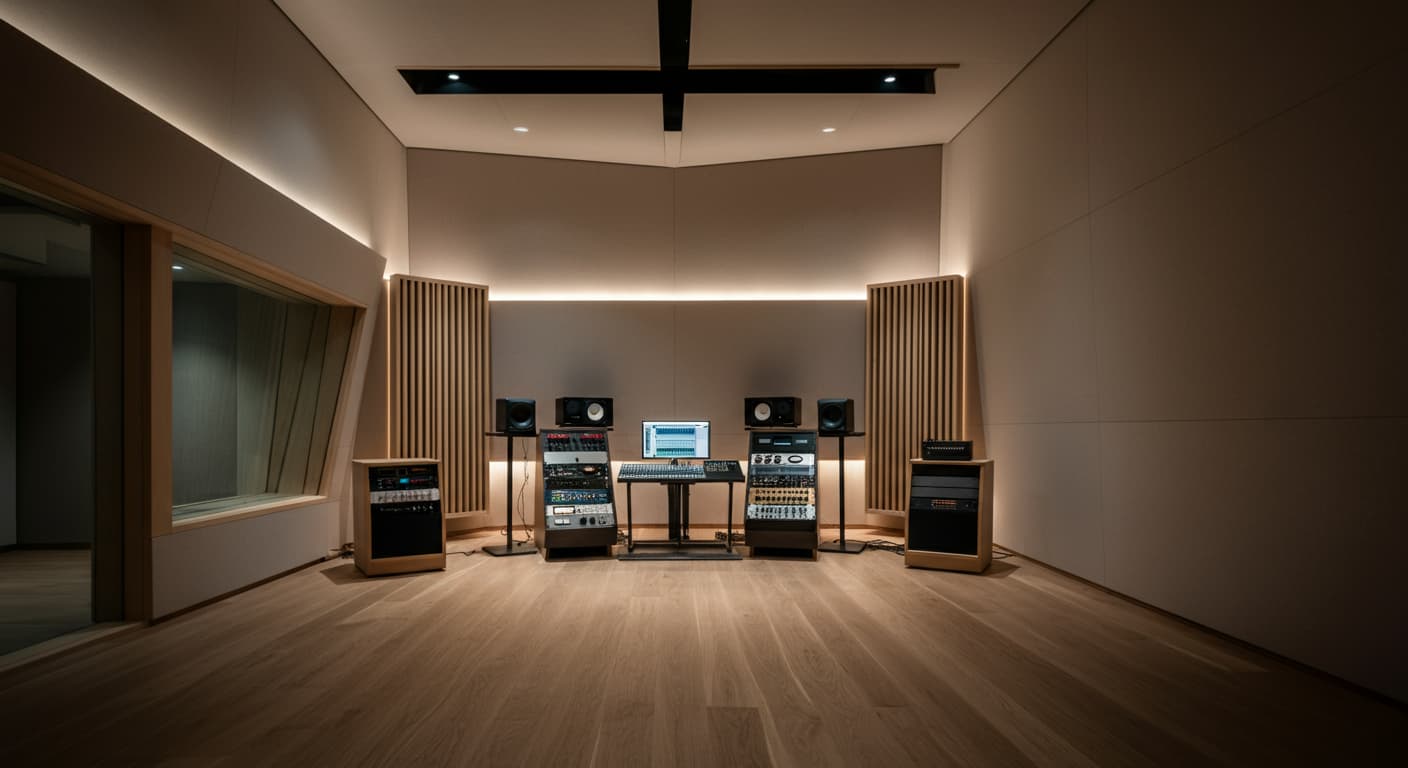
Premium beats, mixing, and mastering from an award-winning producer. We don't just make music — we build sonic identities.
500+
Beats Sold
10+
Years Active
50+
Artists Served
What we do
Custom beats crafted from scratch. Every sound tailored to your vision.
Industry-standard clarity and punch across every platform.
Flexible lease and exclusive options for any budget.
Premium gear, expert engineering, creative environment.
Selected work
Artists we've worked with
“Working with Kode transformed our music program. His dedication, creativity, and ability to mentor students helped our team grow in confidence and performance. His contribution played a significant role in helping our school qualify for the Regional Kenya Music Festival”

Madam Noel
HOI Jack&Jill Kitale
“The production quality exceeded my expectations. Fast delivery, professional communication, and an incredible final mix.”
From the Journal

These freestyles celebrate Nairobi’s neighborhoods (hoods, Eastlando/Kayole, nganya culture) and cultural nostalgia while giving artists a high-visibility platform. Red Bull Kenya posts the official responses with the #RedBull60Seconds hashtag, often encouraging fan participation. Official artist features exist on redbull.com/ke-en for Maandy and Toxic Lyrikali. The series sits alongside other Red Bull Kenya activations (dance, innovation, motorsport, etc.) but stands out for spotlighting lyrical and urban music talent.

Kenya's entertainment industry continues to generate conversations across social media, radio, television and music platforms. From celebrities making major career decisions to relationship updates, health journeys, music comebacks and high-profile events, several Kenyan personalities have dominated online conversations.

Kenyan music is having a strong moment in 2026. From street anthems and Gengetone records to Ohangla, Afropop and cross-border collaborations, local music continues to find new audiences across streaming platforms and social media. In August, the conversation is being shaped by songs that are gaining traction on TikTok, appearing on Kenyan music charts and receiving heavy attention on Spotify, Boomplay, Apple Music and YouTube.
Ready to start?
Whether it's a custom beat, a full mix, or a studio lockout — we're ready when you are.
Or contact us directly
